The best pubs and cosy places to eat in and around Beaminster
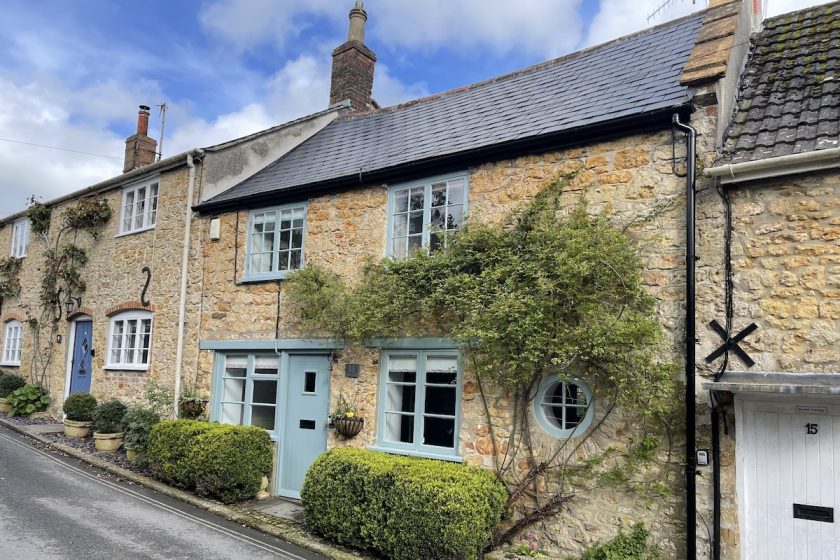
One of the great pleasures of staying at Blackbird Cottage is this: West Dorset has some of the finest pubs and restaurants in England. Ancient thatched inns with inglenook fireplaces. Award-winning restaurants in manor house settings. Dog-friendly village pubs where the landlord knows every regular by name.
And from Beaminster, several of them are within walking distance. The rest are within a short and very pleasant drive.
Here is our guide to the best of them.
In Beaminster — on the doorstep
The Ollerod - Prout Bridge, Beaminster DT8 3AY
Two minutes on foot from Blackbird Cottage
The Ollerod has been one of the most celebrated restaurants in West Dorset for years — a beautiful 14th century building that has recently reinvented itself in an exciting new direction. The kitchen has closed but the beautiful bar and lounge, with its open fire and walled garden, remains open seven days a week with a rolling programme of pop-up food events, food trucks and evening takeovers alongside their own carefully curated bar snack menu.
The walled garden in summer is one of the finest outdoor drinking spaces in Beaminster. Dogs are welcome in the bar and garden throughout. Check their events page and Instagram for the latest pop-up schedule before you visit — some of the guest chefs are extraordinary and book up quickly.
The Red Lion, The Square, Beaminster DT8 3AS
Five minutes on foot from Blackbird Cottage
The Red Lion is an 18th century coaching inn right on Beaminster’s market square and one of the most reliably welcoming pubs in the town. A proper, unpretentious local with real ales, good honest pub food, a warm fire in winter and live music on some nights. Dogs are welcome throughout. No booking required — just turn up.
The kind of pub that Beaminster would not be the same without. If you are staying at the cottage and want an easy, informal evening with good company and nobody needing to drive, this is the one.
The Greyhound Inn, 11 The Square, Beaminster DT8 3AW
Five minutes on foot from Blackbird Cottage
The Greyhound is a Grade II listed building — a charming late 18th century inn on Beaminster’s historic market square that has been welcoming locals and visitors for generations. With an open fire, a cosy snug tucked away from the main bar, real Palmers ales and a menu of generously portioned home-cooked classics, it is the very definition of a proper Dorset country pub.
The family running the pub are genuinely welcoming — dogs, families and muddy walkers are all made to feel equally at home. The Sunday lunch has its own following. The atmosphere is exactly what you hope to find when you push open the door of an ancient pub in a West Dorset market town.
A short drive away
Winyard's Gap Inn, Chedington DT8 3HY
Five minutes on foot from Blackbird Cottage
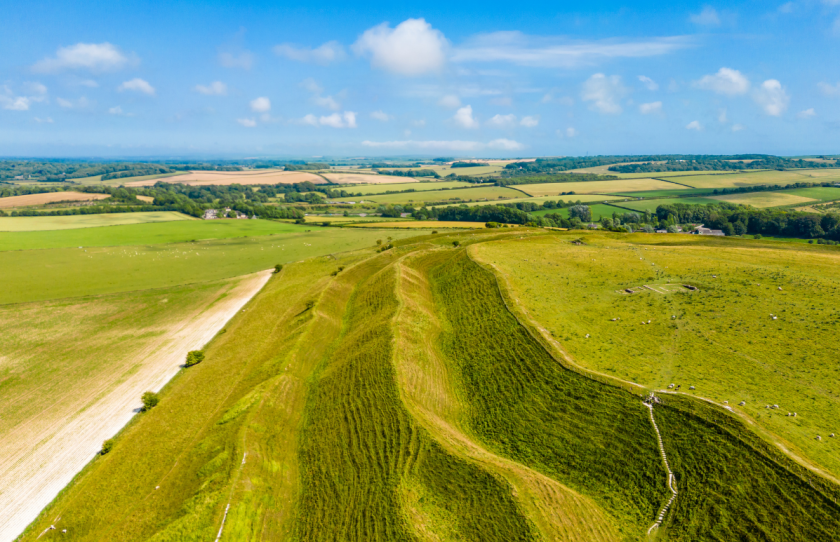
Winyard’s Gap Inn sits on one of the most spectacular ridge positions in West Dorset — a long, narrow escarpment with views across four counties on a clear day — and it is one of the finest dog-friendly pubs in the whole of Dorset.
The inn has water bowls at the door, dog treats on arrival and dogs welcome throughout the bar and garden. The food is hearty and seasonal — the kind of cooking that makes sense after a long walk along the ridge above. The garden on a clear afternoon, with the Vale of Marshwood spread out below, is one of the finest pub views in West Dorset.
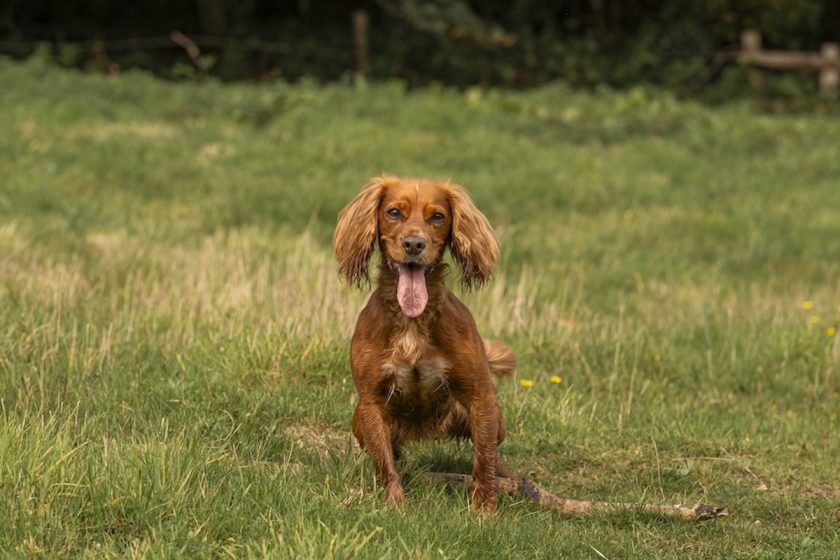
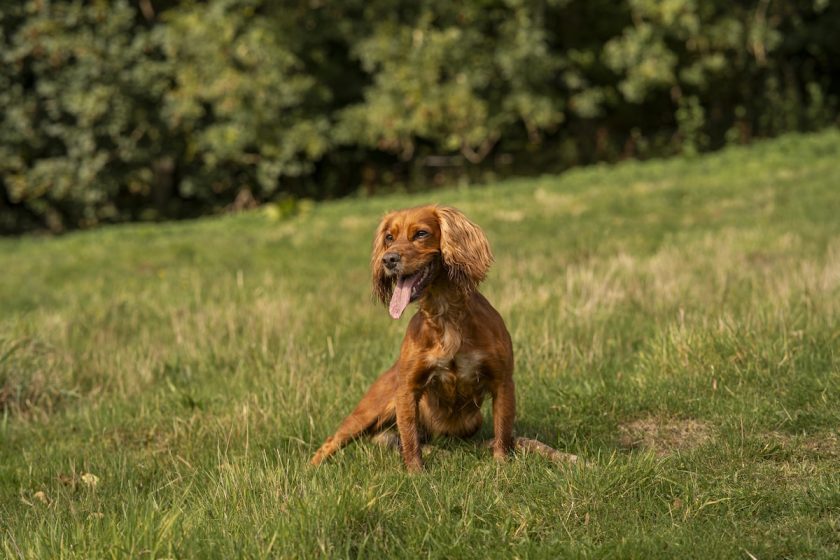
Bonnie, our Chief Dog Officer, gives Winyard’s Gap her highest possible rating. The treats on arrival are, apparently, exceptional.
The Anchor Inn, Seatown DT6 6JU
Five minutes on foot from Blackbird Cottage
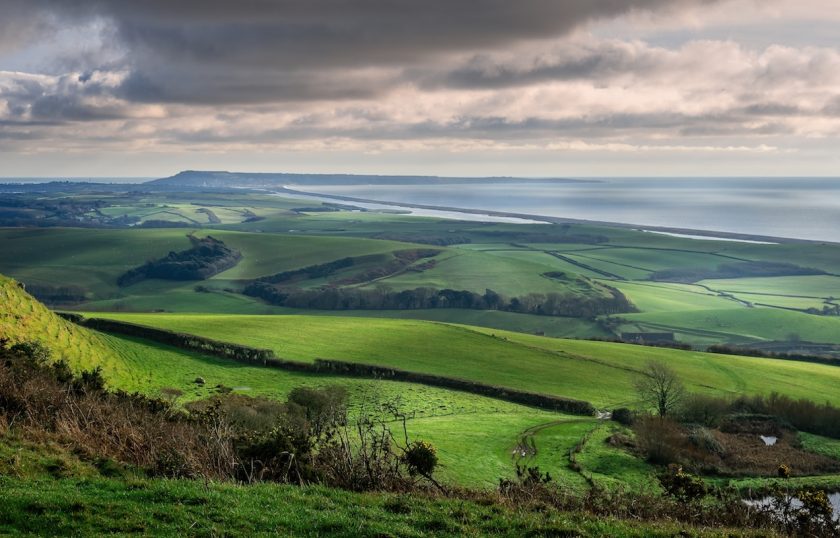
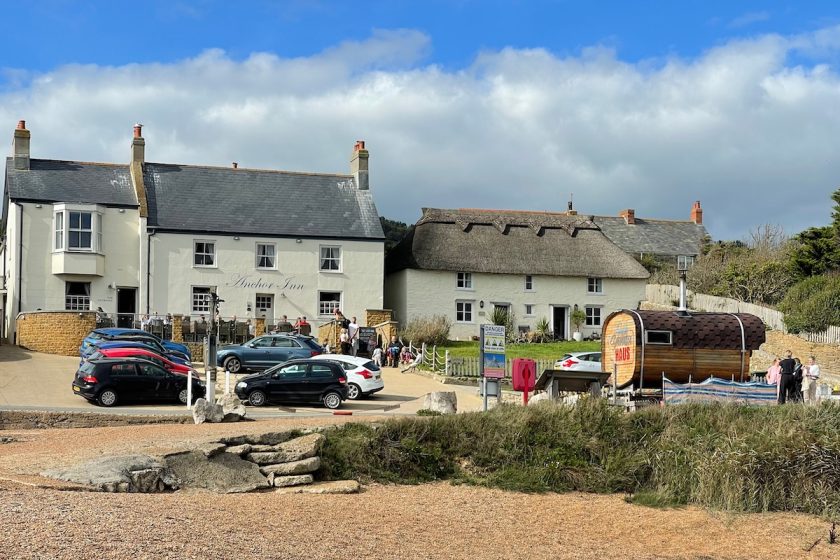
The Anchor Inn at Seatown sits almost on the beach at the foot of Golden Cap — the highest point on the south coast of England — and it is, without question, one of the most perfectly situated pubs in the whole of England.
A Palmers Brewery pub, it serves fresh local food, real ales and a warm welcome to walkers and dogs throughout. Water bowls on arrival. The outdoor seating looks directly out to sea, with the South West Coast Path passing right by the door in both directions. The views, the setting and the food combine to make The Anchor one of those pubs that guests at Blackbird Cottage return to every single time they visit.
Note: The Anchor Inn is very popular, particularly in summer and at weekends. Booking is strongly recommended for lunch.
The Three Horseshoes, Mill Street, Burton Bradstock DT6 4QZ
Five minutes on foot from Blackbird Cottage
The Three Horseshoes is a 300-year-old, multi-award-winning thatched inn in the landmark Jurassic Coast village of Burton Bradstock — and one of the finest village pubs in West Dorset.
Family-run with genuine warmth and commitment, the kitchen produces exceptional home-cooked food — seasonal daily specials, freshly caught local seafood and a Sunday roast that has its own devoted following. The bar serves well-kept Palmers real ales and quality wines. The large garden is a genuine sun trap in summer and the whole property is dog-friendly throughout.
The relaxed atmosphere attracts a mix of locals, walkers arriving off the South West Coast Path and holidaymakers who find it and immediately add it to their list of places to come back to. This is the pub that proves Burton Bradstock is worth the detour.
The Acorn Inn, 28 Fore Street, Evershot DT2 0JW
Five minutes on foot from Blackbird Cottage
The Acorn Inn at Evershot is one of the great Dorset pubs — a 16th century coaching inn built from local honey-coloured stone in one of the prettiest villages in West Dorset, with stunning old beams, low ceilings, oak panelling, flagstone floors and roaring open fires throughout.
The food is top quality restaurant cooking served in the dining room and the separate, comfortable village bar. Two real ales from St Austell, Dorset or Bath breweries are always available and the wine list is thoughtful and well-chosen.
For dog owners, the Acorn is exceptional — dogs are welcome in every area and the barman has a well-stocked jar of dog biscuits behind the bar. Guests arriving with wet and muddy companions have had their dogs’ coats taken to the boiler room to dry while they eat. The attention to the four-legged guests is, frankly, remarkable.
Thomas Hardy immortalised Evershot as the village of Evershead in Tess of the d’Urbervilles — making the walk through the village before or after dinner feel like stepping directly into the novel.